Relax surrounded by Umbrian nature
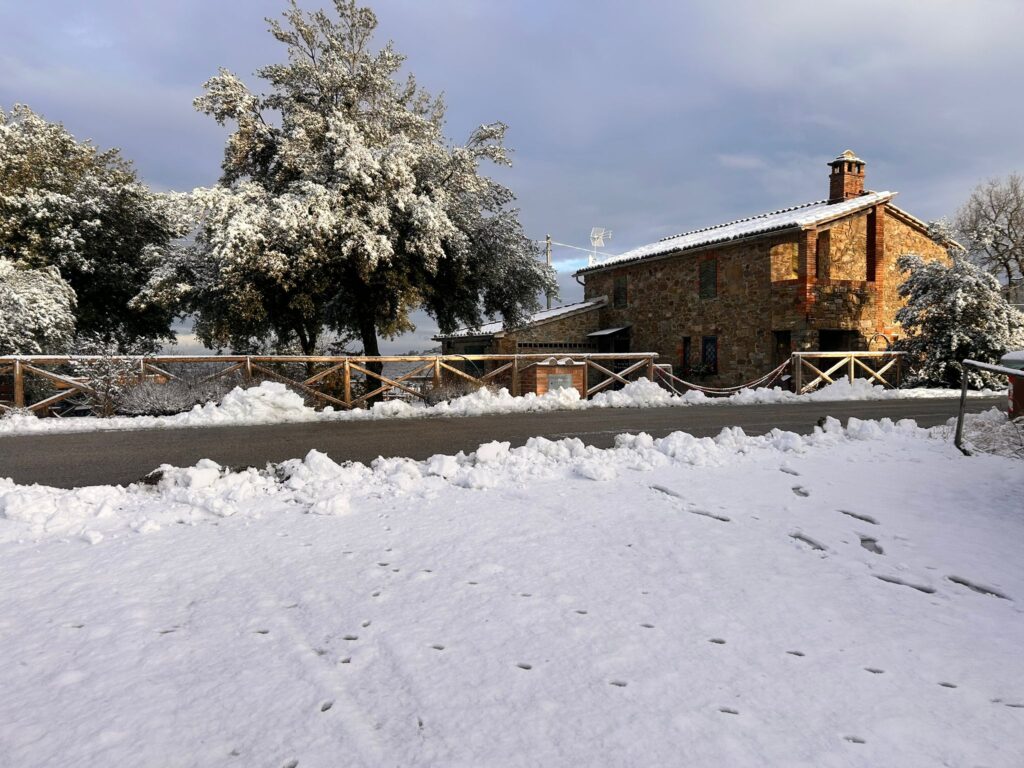
La casetta di San Pietro was created to offer a peaceful retreat, where lush nature and comfort come together to regenerate body and mind, but invites you to get out and explore all that this region has to offer
Experiencing Umbria means immersing yourself in a slow pace, made up of medieval villages, lush nature and genuine flavours. Here's how to plan an authentic experience in the “green heart of Italy”
Villages and Cities of Art: Every Umbrian village has its own distinct soul. For a complete experience, don't limit yourself to the classic circuits
Experiences in Nature: Umbria offers scenery ranging from Apennine peaks to lakes
Food and Wine and Traditions: Experiencing Umbria inevitably passes through the palate
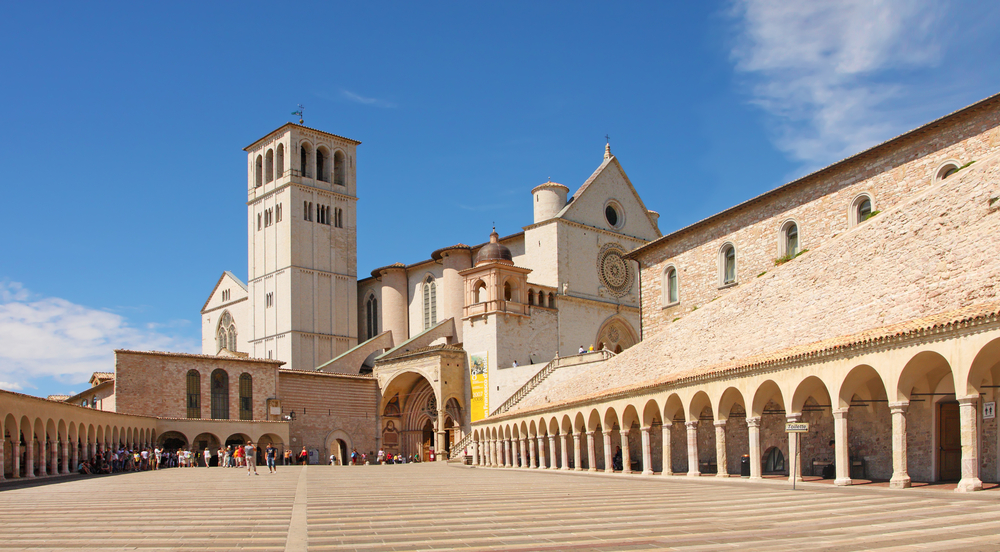
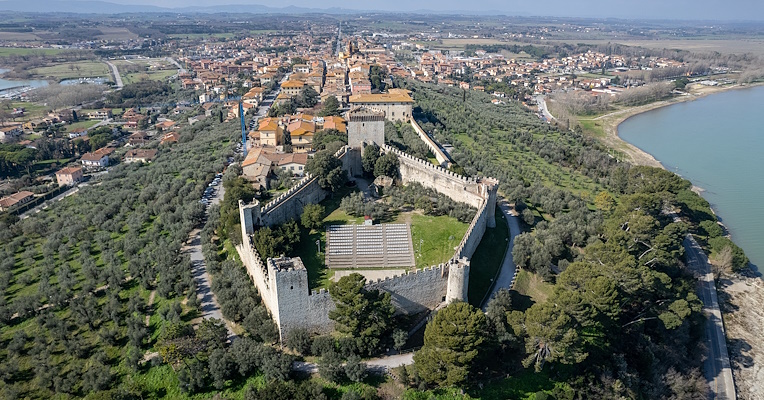
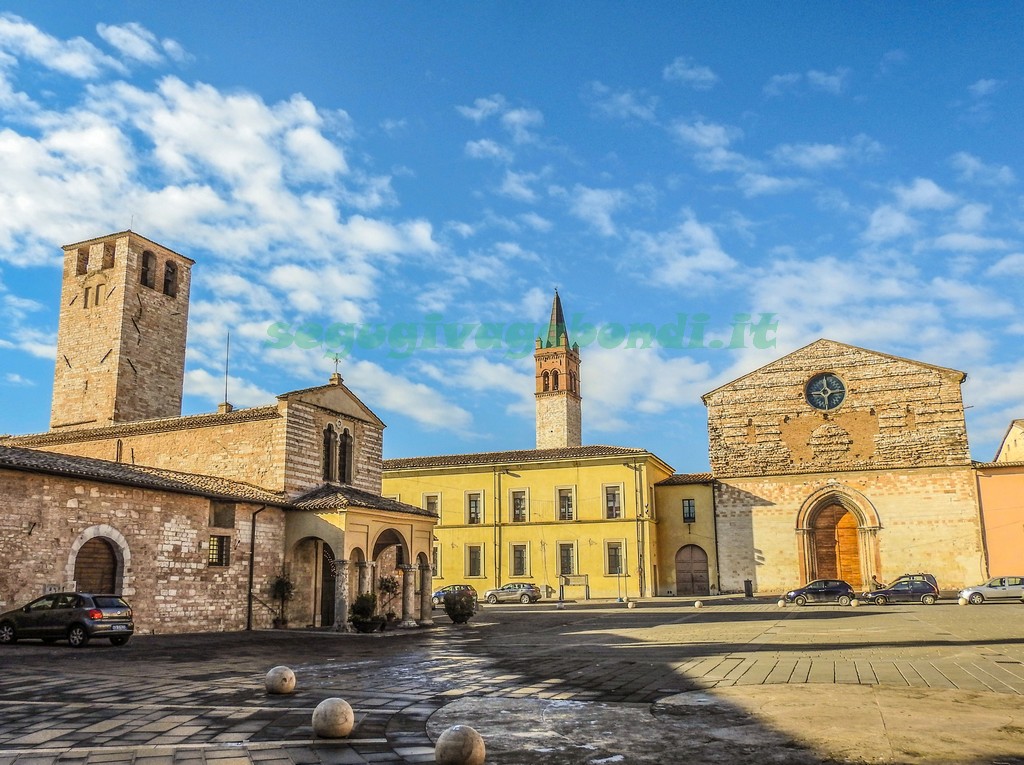
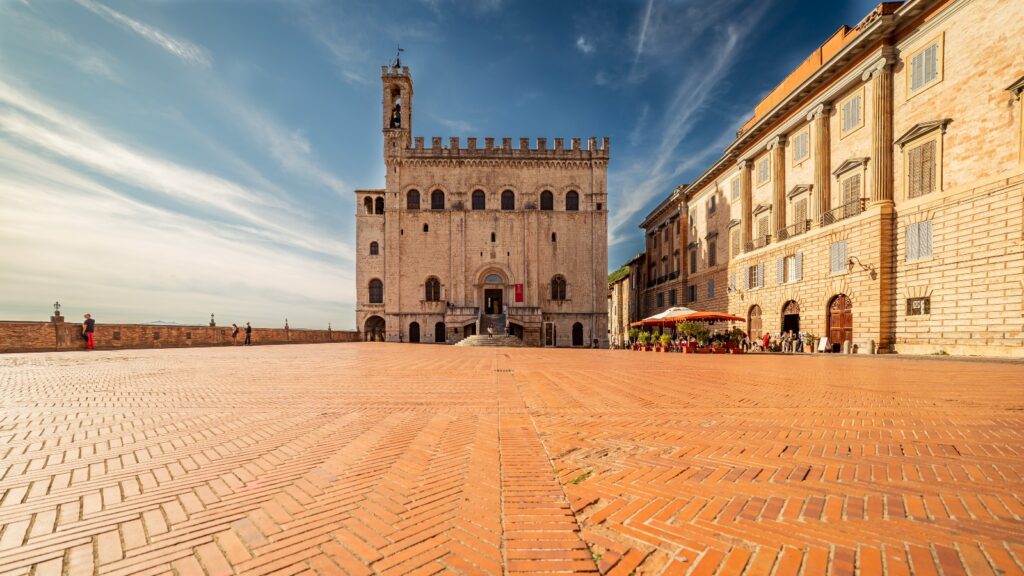
The six nearest Umbrian villages
Greppolischieto - Panicale - Citta’ della Pieve - Castiglion Fosco - Piegaro - Paciano
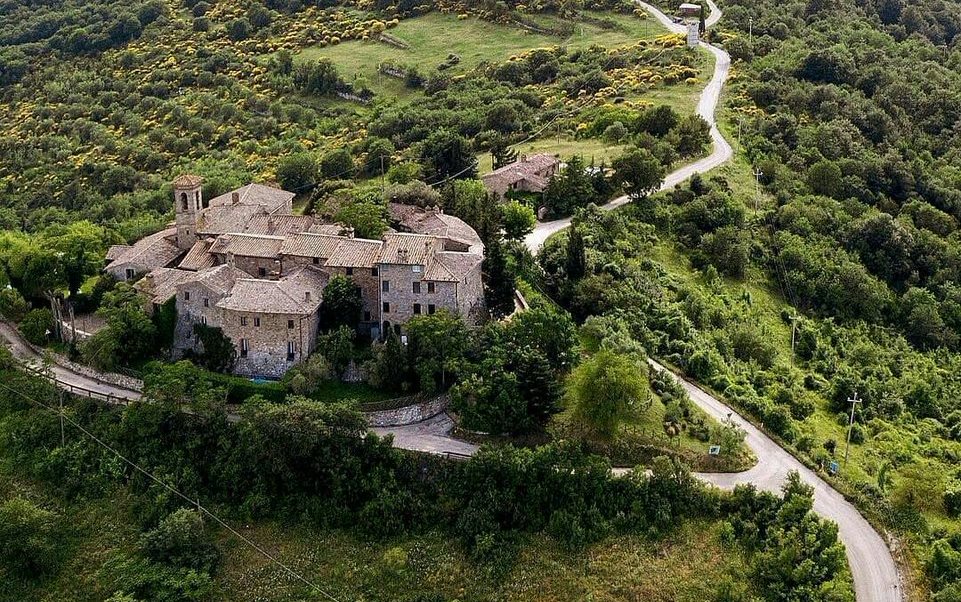
Greppolischieto
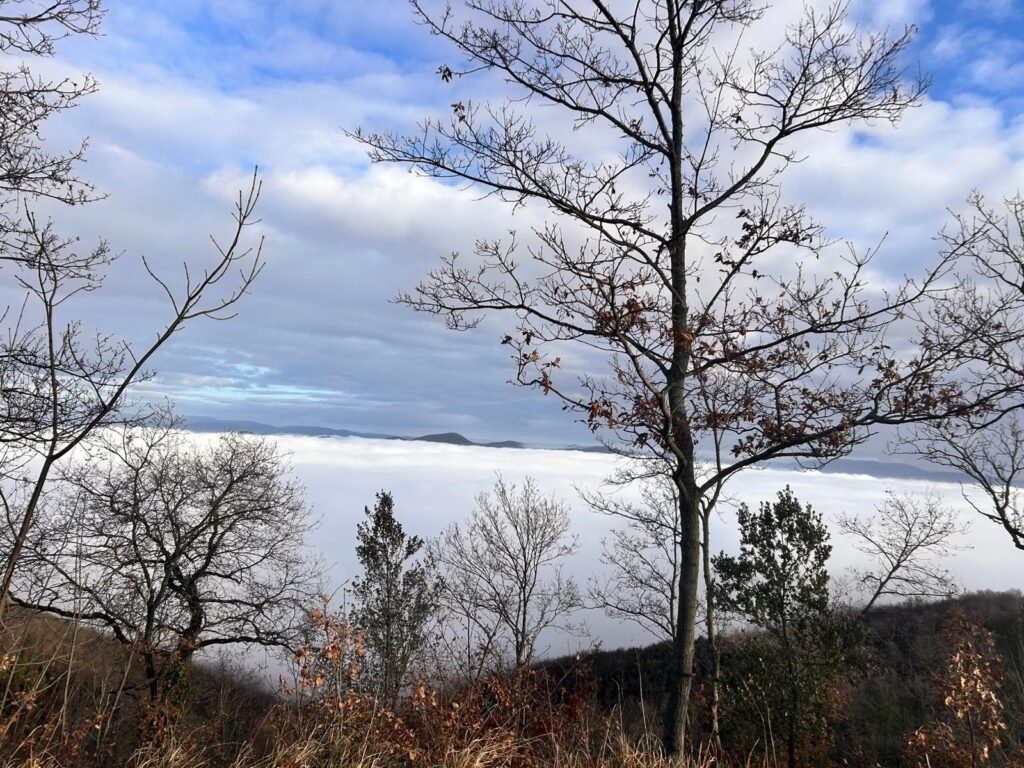
The Balcony on the World
The enchanted village that few people know but that everyone should see at least once.
The panorama from here sweeps from Lake Trasimeno to the Sibillini Mountains: a true balcony over the Umbrian wonderland.
45minutes on foot
7 minutes by car
20 minutes by bicycle
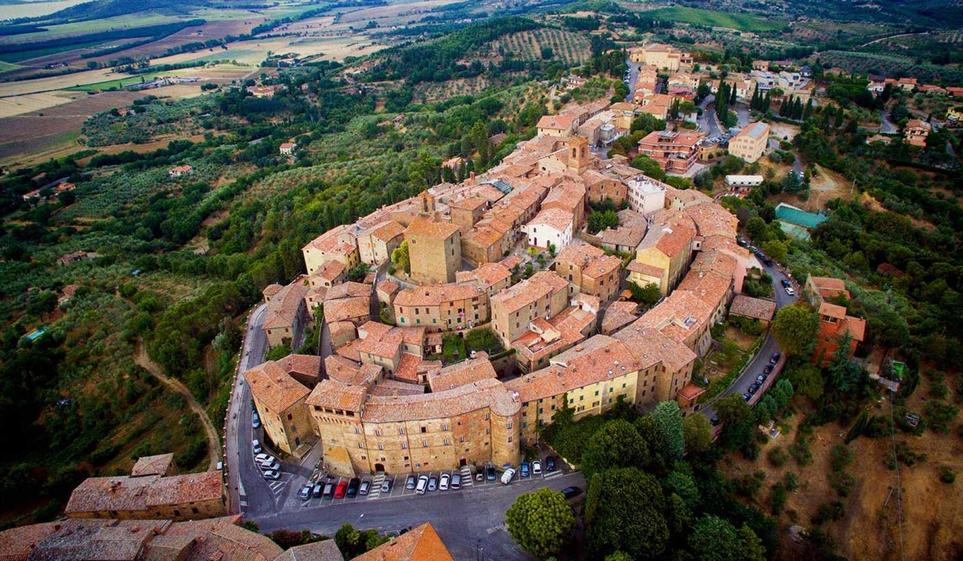
Panicale
Most beautiful village in Italy
Panicale reveals itself as a small medieval jewel, perched 441 metres above sea level at the foot of Monte Petrarvella. The village - among the Most Beautiful Villages in Italy and awarded the Orange Flag - tells its centuries-old story with pride, harmony and incredible landscaping.
15 minutes by car
45 minutes by bicycle
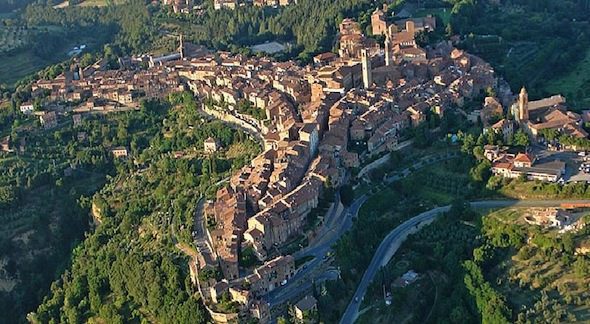
City of Pieve
Oasis of emotions, art and well-being
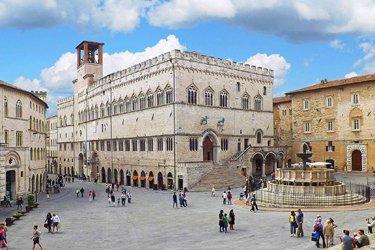
Città della Pieve is famous for being the birthplace of the Renaissance painter Perugino and for its medieval red-brick historic centre, but also for saffron, used by Perugino in his frescoes and now cultivated locally, for evocative historical re-enactments such as the Palio dei Terzieri, and for the narrowest alley in Italy (“Baciadonne”)
20 minutes by car
45 minutes by bicycle
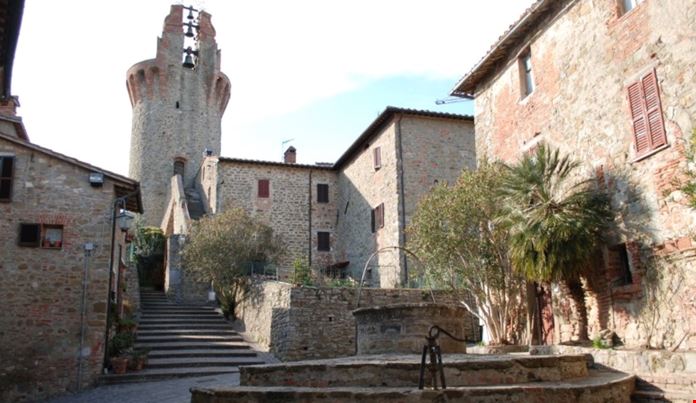
Castiglion Fosco
A small favour
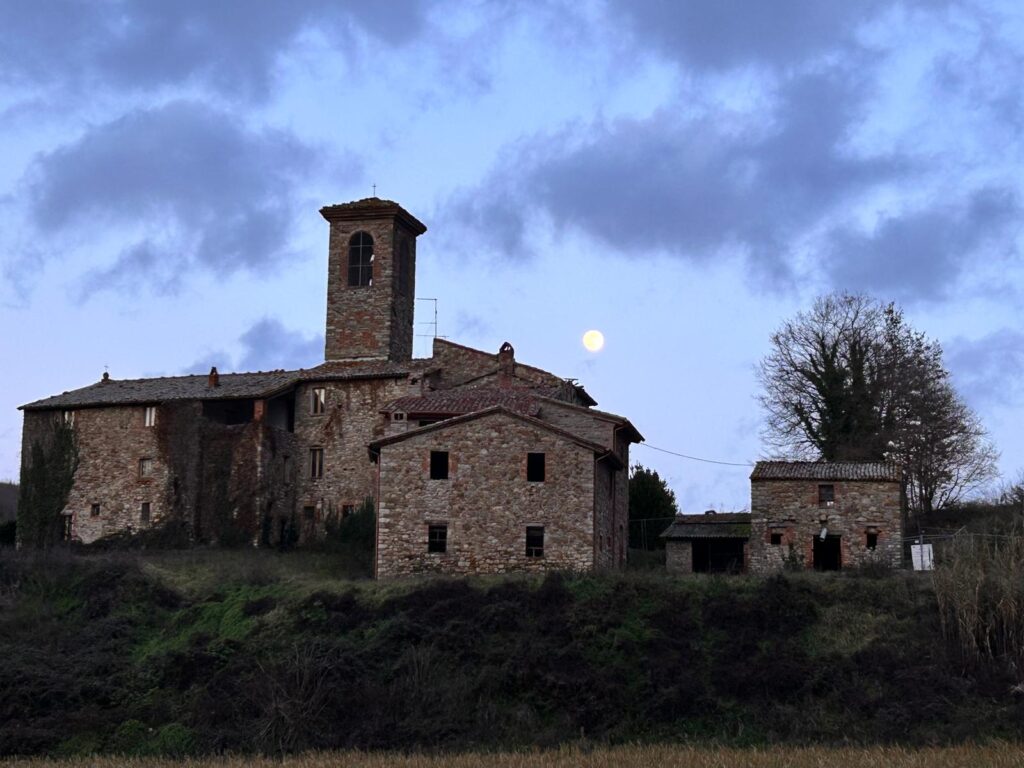
The village is located on the summit of a small hill 350 metres above sea level, from which it is possible to see a rise, dominating the entire territory, called Montalvino, 666 metres high. The symbol of Castiglion Fosco is the imposing tower, with its peculiar cylindrical base, which looms over the village as if it were still defending the boundaries of the castle
45minutes on foot
5 minutes by car
10 minutes by bicycle
Piegaro
Porta Perugina and Porta Romana
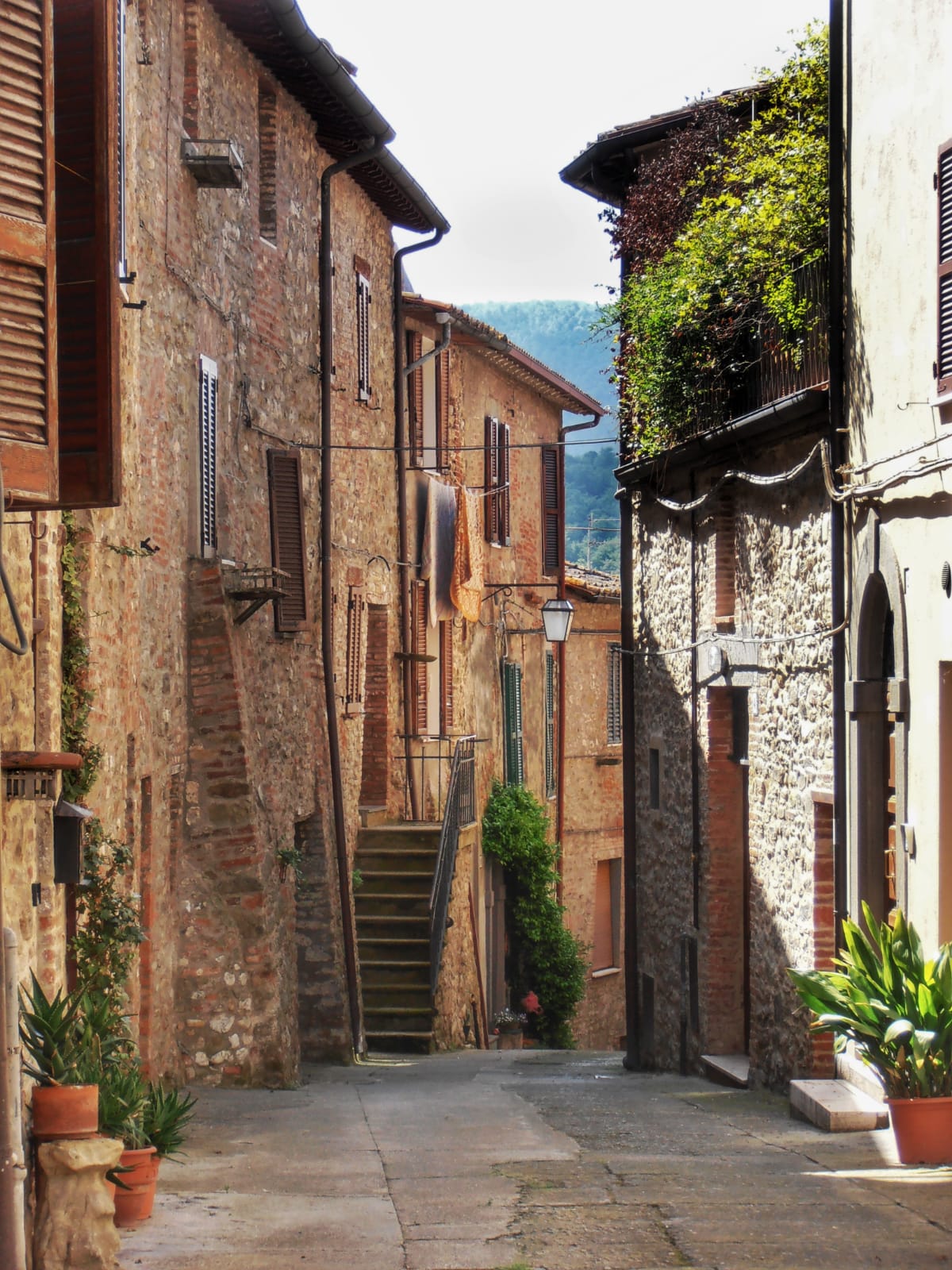
Strolling through the quiet streets of the village, one comes across the remains of the ancient furnaces of the famous glassworks that animated the village for seven centuries: two chimneys can be seen, one main one for the release of fumes from the combustion of wood, lignite or oil, the other smaller one was used for glass engraving (roteria).
15 minutes by car
30 minutes by bicycle
Paciano
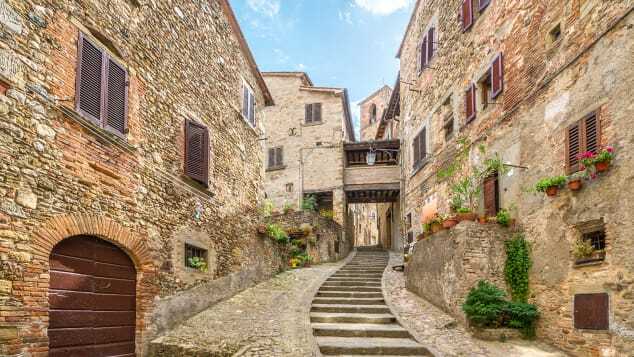
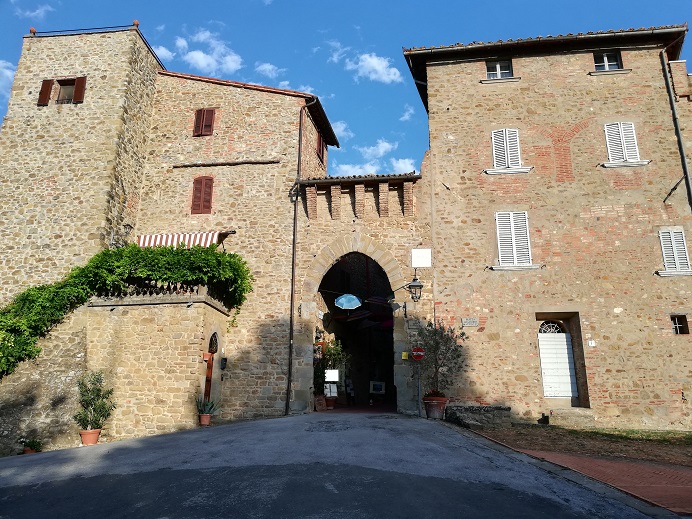
A stroll through the alleys and stops at churches
In addition to being one of the most beautiful villages in Italy, Panicale has also received the “Orange Flag” for the perfect preservation of its historical landscape. With its panoramic terraces, this village offers magnificent views of the countryside between Umbria and Tuscany, as well as of Lake Trasimeno.
20 minutes by car
45 minutes by bicycle
Experiences not to be missed
Experiences to be made in half a day!
Rasiglia
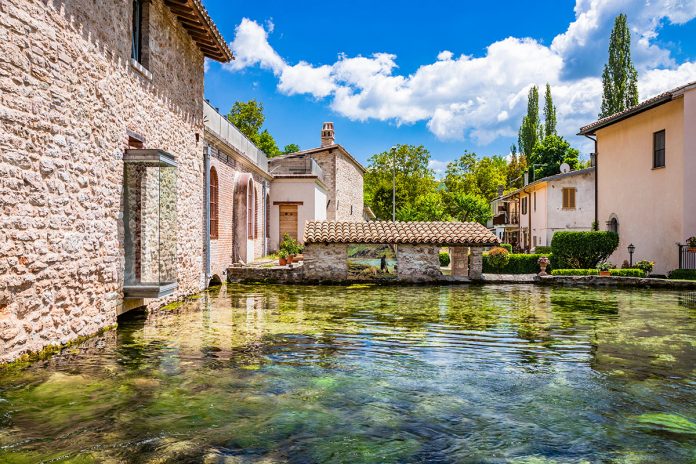
Rasiglia is famous as “the little Venice of Umbria” for its streams, canals and waterfalls that run through the village, making it unique in nature, history and craft traditions.
Scarzuola
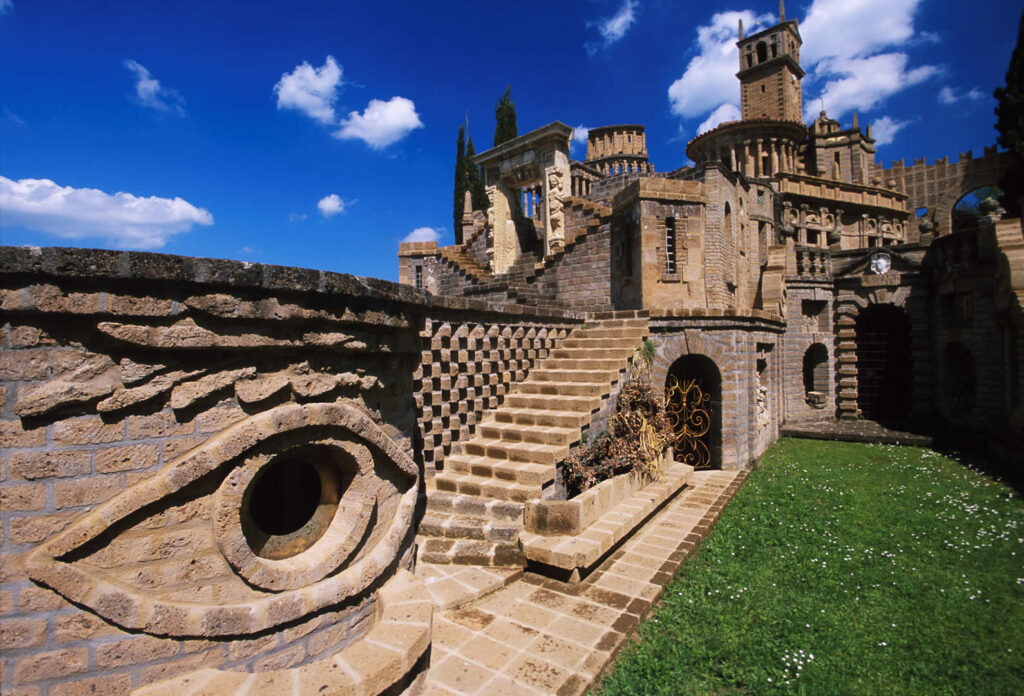
The Scarzuola is the theatre-city at Montegabbione in the province of Terni, by architect Tomaso Buzzi, is a surreal construction of twisting staircases, stages and amphitheatres.
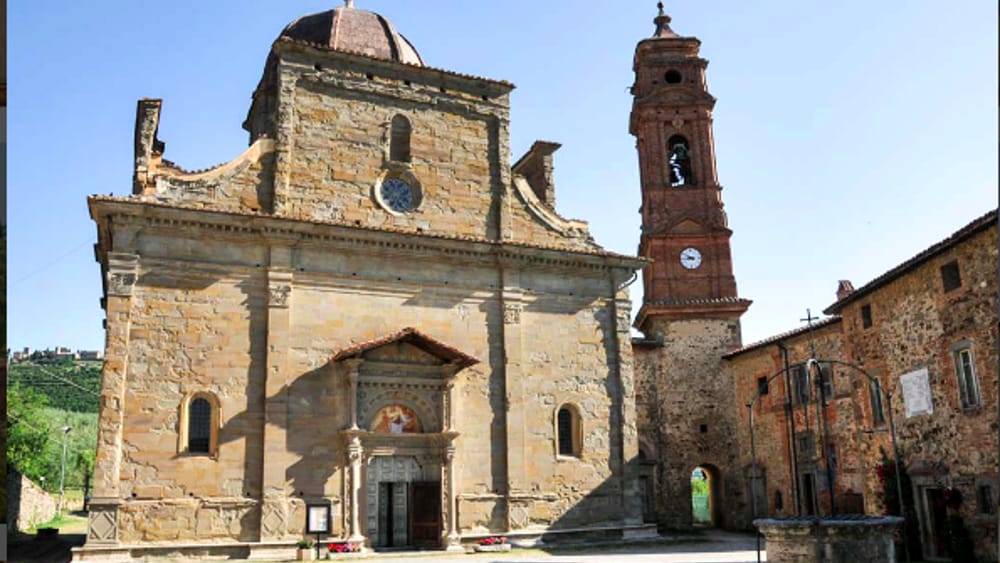
Mongiovino
The Sanctuary of Our Lady of Mongiovino, located near Panicale (PG), is a remarkable 16th-century Renaissance complex, considered one of the main Marian shrines in Umbria. Continuing on, we recommend arriving at the Castello di Mongiovino
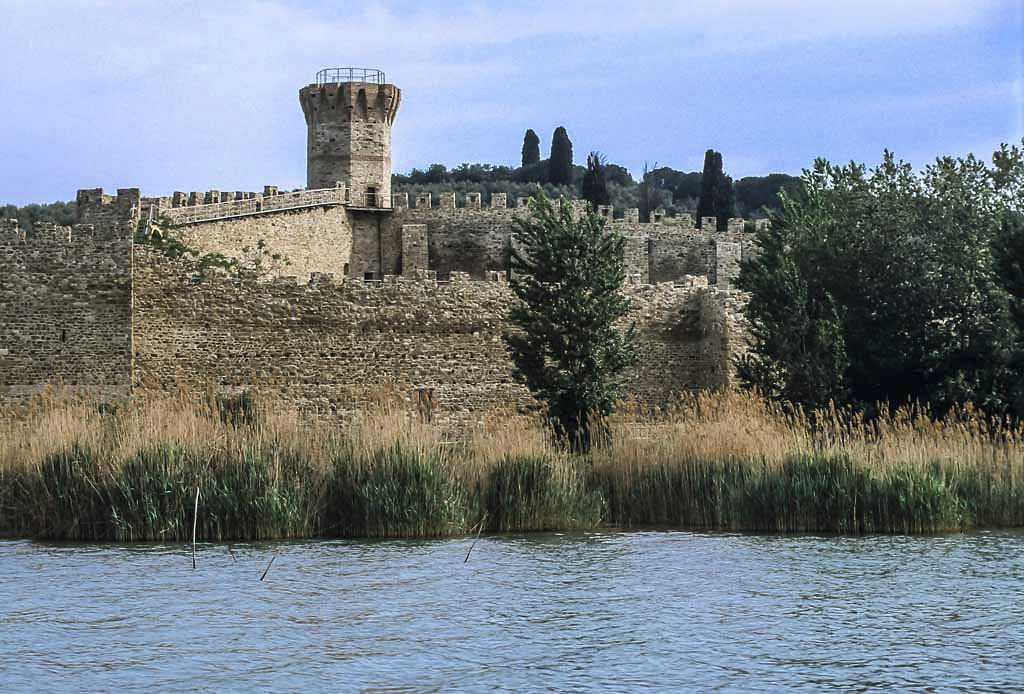
Polvese Island
Polvese Island is the largest of the three in the Lake Trasimeno, in Umbria. Used as a scientific-educational park.
The island preserves important historical memories such as the Church of S. Secondo, the Olivetano Monastery, the Church of S. Giuliano and a recently restored medieval castle.
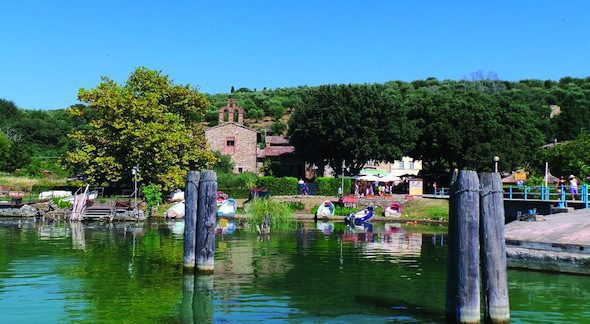
Isola Maggiore
The Isola Maggiore is, despite its name, the second largest island in the Lake Trasimeno but the only one with a small village near the harbour and still inhabited.
Entirely covered in dense vegetation of olive trees, holm oaks and cypresses, it is a treasure trove of artistic and religious works that bear witness to its ancient history.
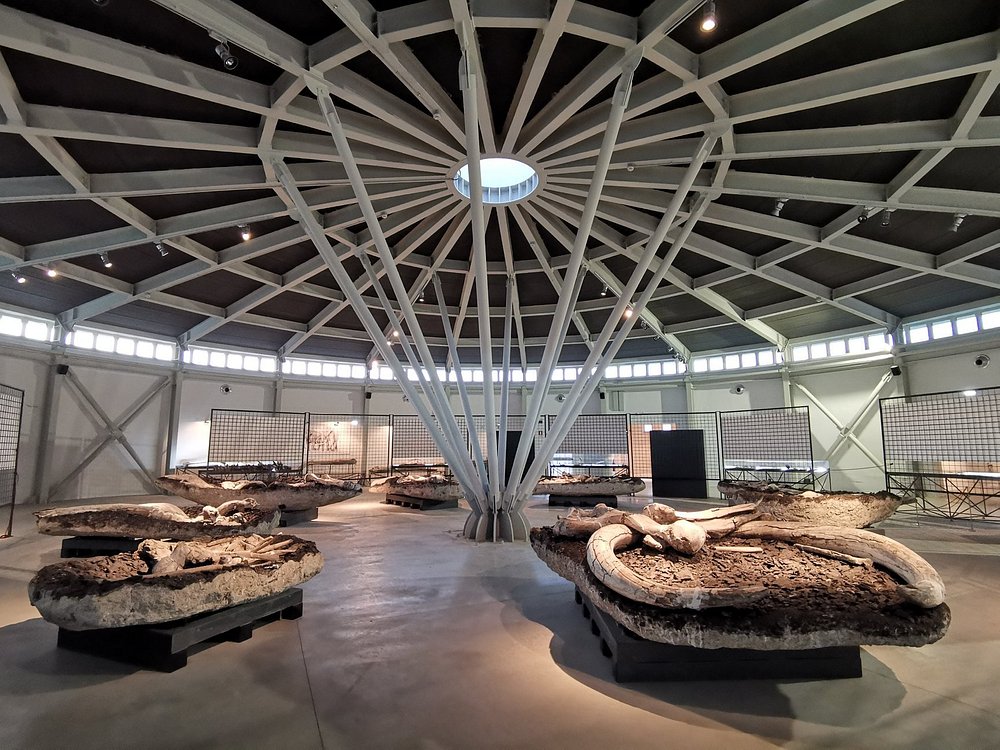
The Palaeotological Museum
Considered one of the richest and most important in Europe, the Palaeontological Museum in Pietrafitta owes this wealth to the fossils found during the mining activity that developed in the Nestore Valley following the discovery of vast deposits of lignite in its subsoil.
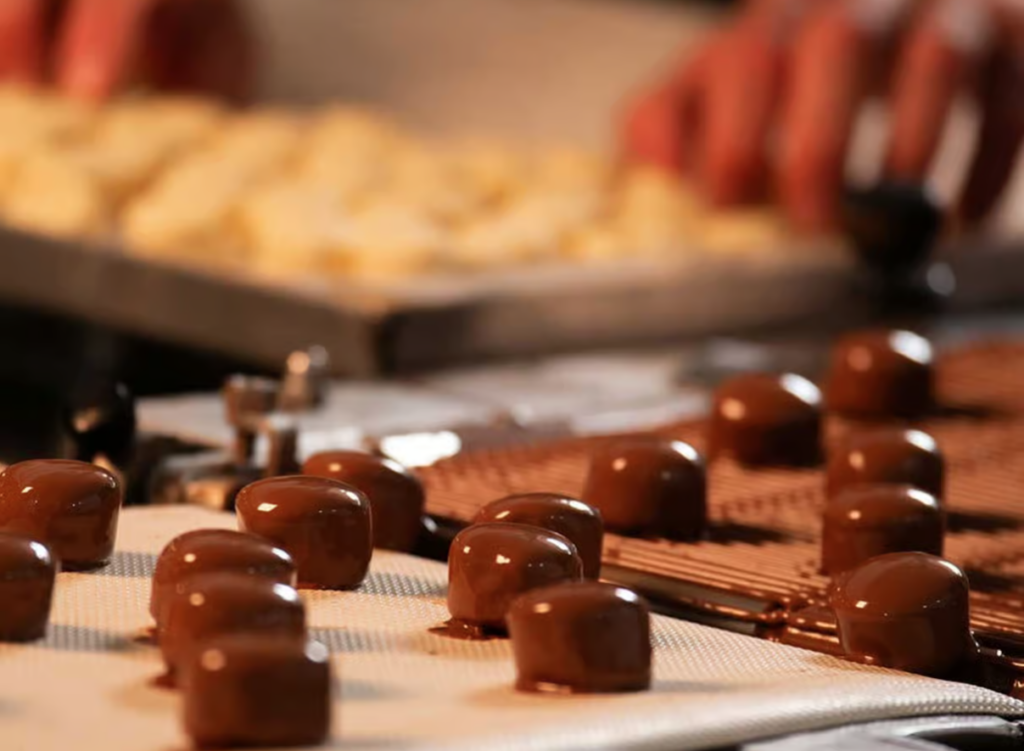
Chocolate factory tour with workshop and tasting
Discover the art of chocolate making with a guided workshop tour at Perugia
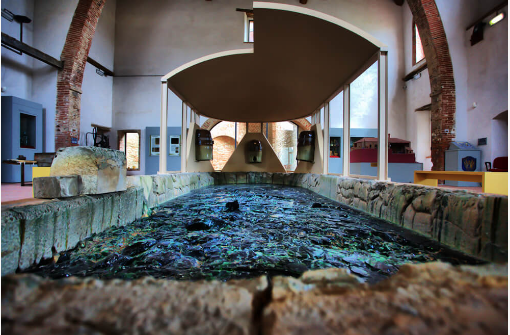
Glass Museum
In the heart of the ancient village of Piegaro, At the base of an imposing brick chimney stands the complex of the ancient glassworks, home to the Glass Museum. The building, a suggestive example of industrial archaeology, tells the hundred-year history of glass production in Piegaro, from the Middle Ages to the 20th century.
Experiencing Umbria inevitably passes through the palate
Experiences that grab you by the throat
His Holiness the Umbricello
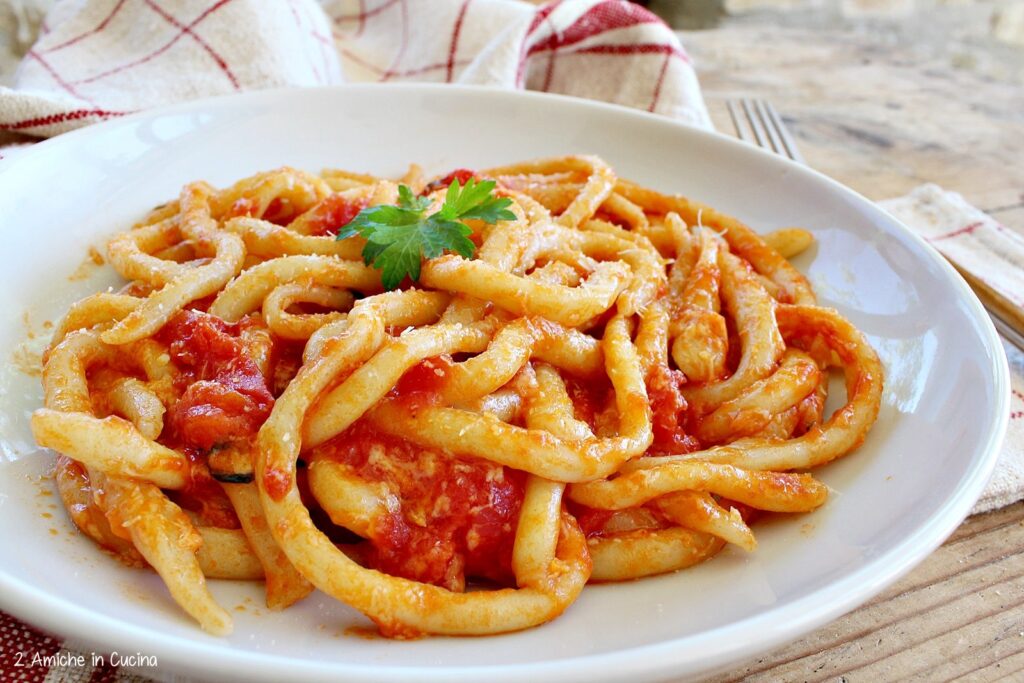
The umbricelli (o umbrichelli) are a fresh pasta format typical of the’Umbria, recognised as a Traditional Food Product
Similar to large spaghetti or full bucatini, they have a long, irregular shape reminiscent of earthworms, hence the name “umbricelli”.
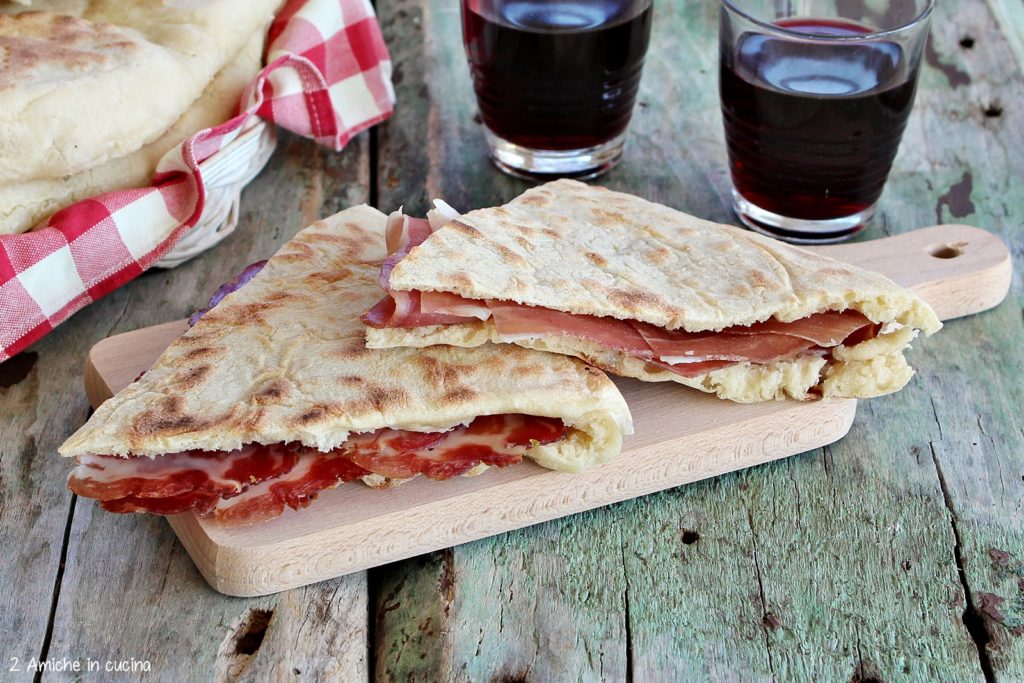
It is considered a “poor” and “anticlerical” pasta. It is said that during the rule of the Papal States, housewives used only water and flour because eggs were collected as tribute from the priests (hence the joking name of strozzapreti)
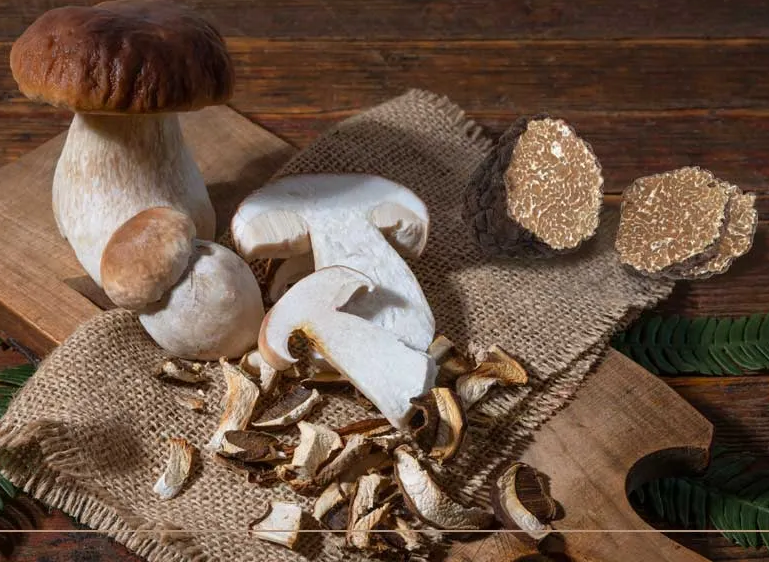
Mushrooms and Truffles
Umbria is one of the most renowned Italian regions for collecting and tasting mushrooms and truffles, thanks to its centuries-old forests and ideal microclimate.
The truffle is present almost all year round, usually excluding the months of May and September to allow it to ripen.
The main season for mushrooms is from late summer to late autumn.
Cheese and Text Cake
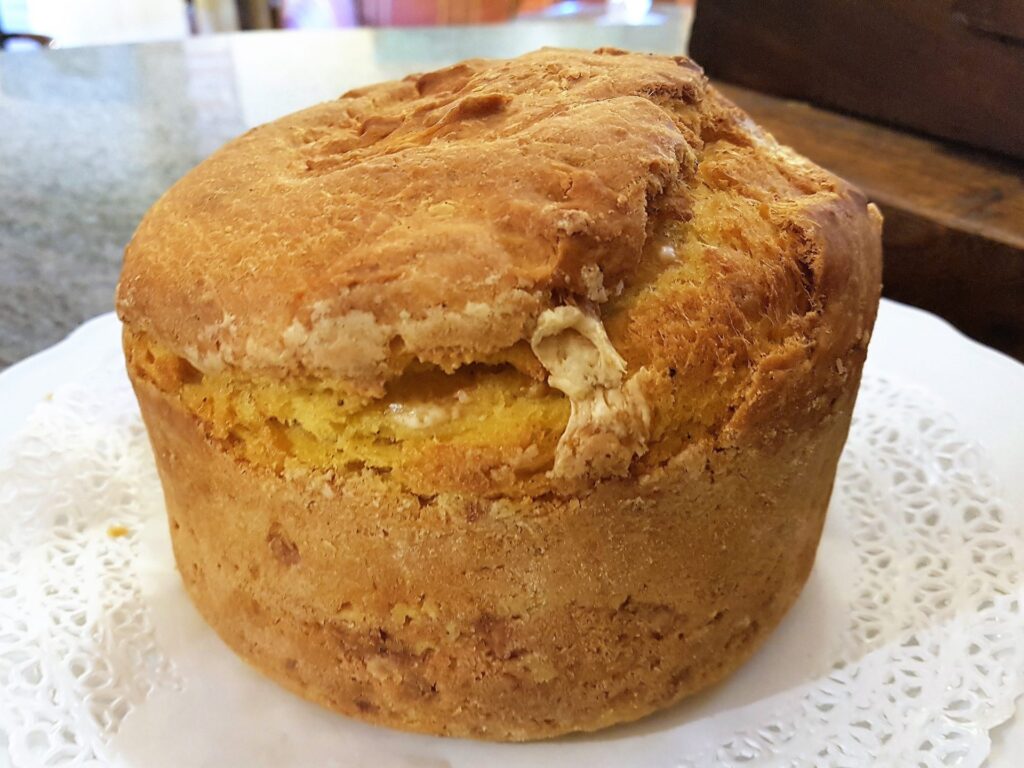
La Umbrian cheesecake (also known as Easter pizza) is a high and soft savoury leavened pastry, similar to a panettone, typical of the Easter tradition in Umbria. Characterised by its intense flavour and honeycombed consistency, it is traditionally eaten at breakfast on Easter morning together with local cold cuts (such as capocollo) and blessed hard-boiled eggs.